1300 Calorie Vegan Meal Plan

Vegan7 days1 adult≈ 1,302 kcal/day

The ISE Nutrition 1300 Calorie Vegan Meal Plan covers seven days for one adult and averages approximately 1,302 kcal per day. Each day includes five meals with ingredient quantities, preparation steps and estimated nutrition. The grocery list totals the ingredients used in all 35 meals; CSV download and browser printing are available without an account or payment.

Ingredient quantities updated 14 October 2026 · Page guidance updated 15 October 2026
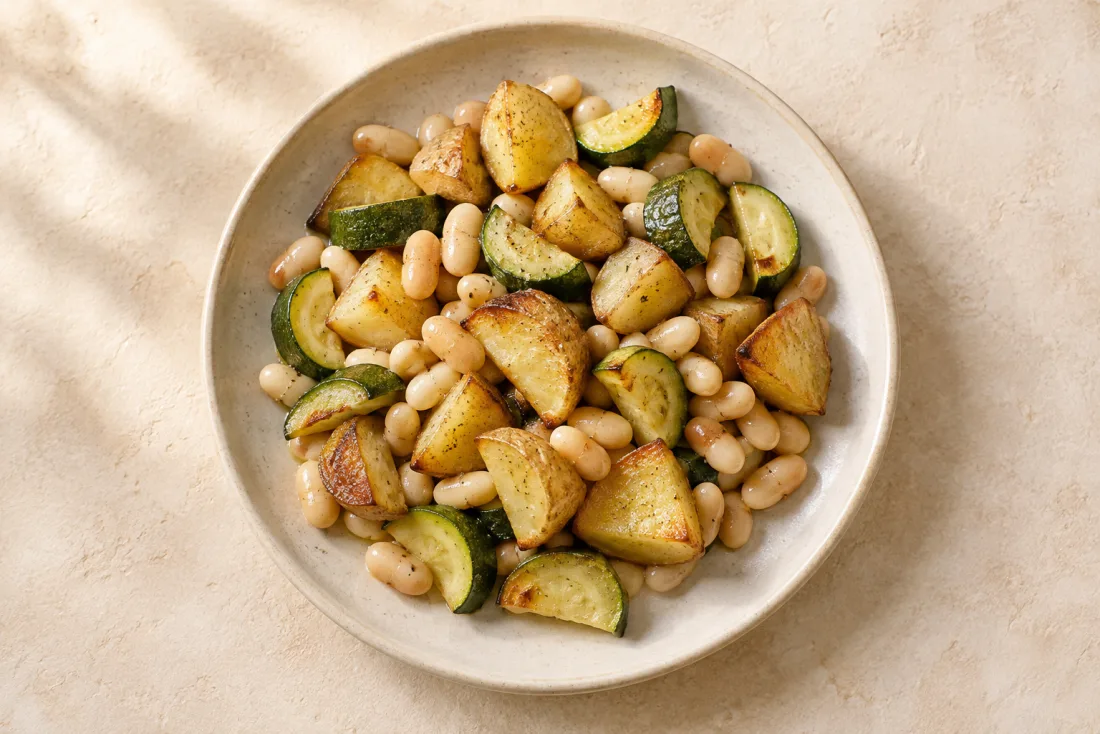
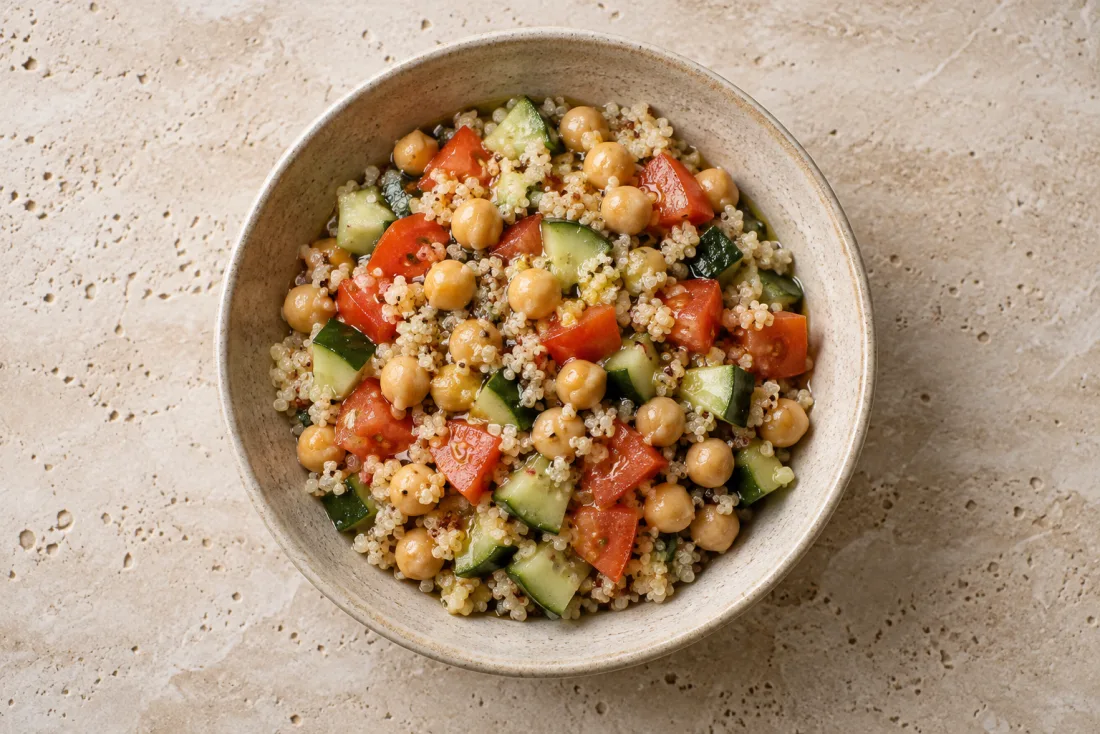
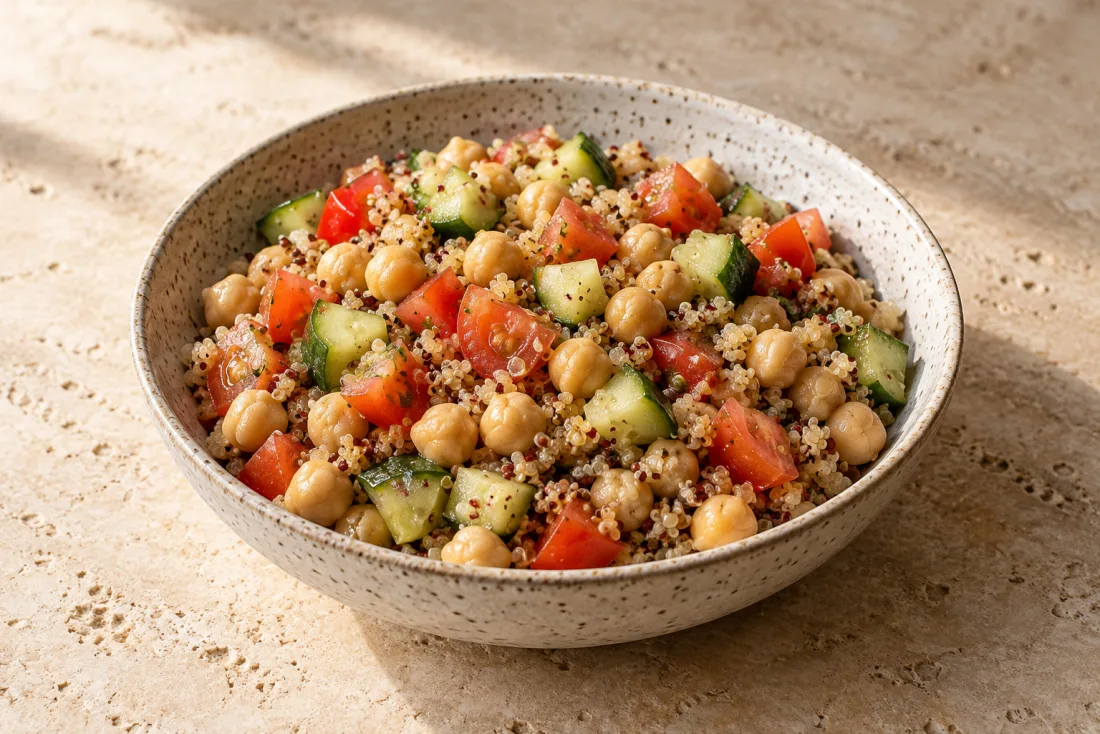
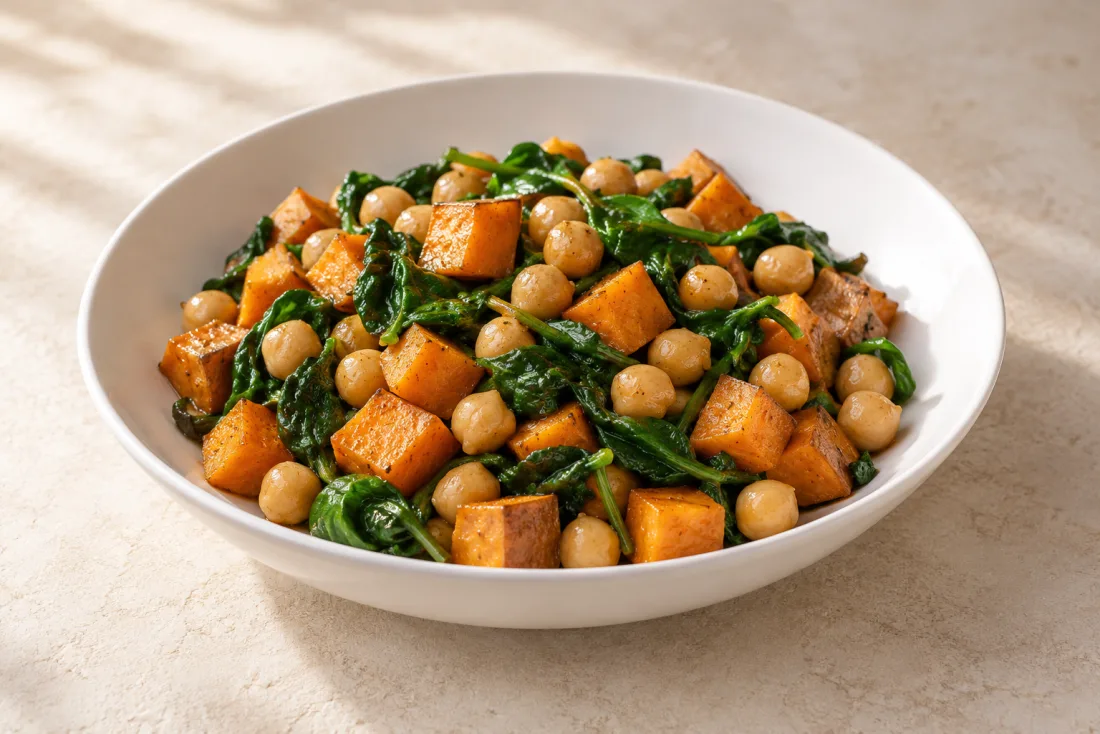
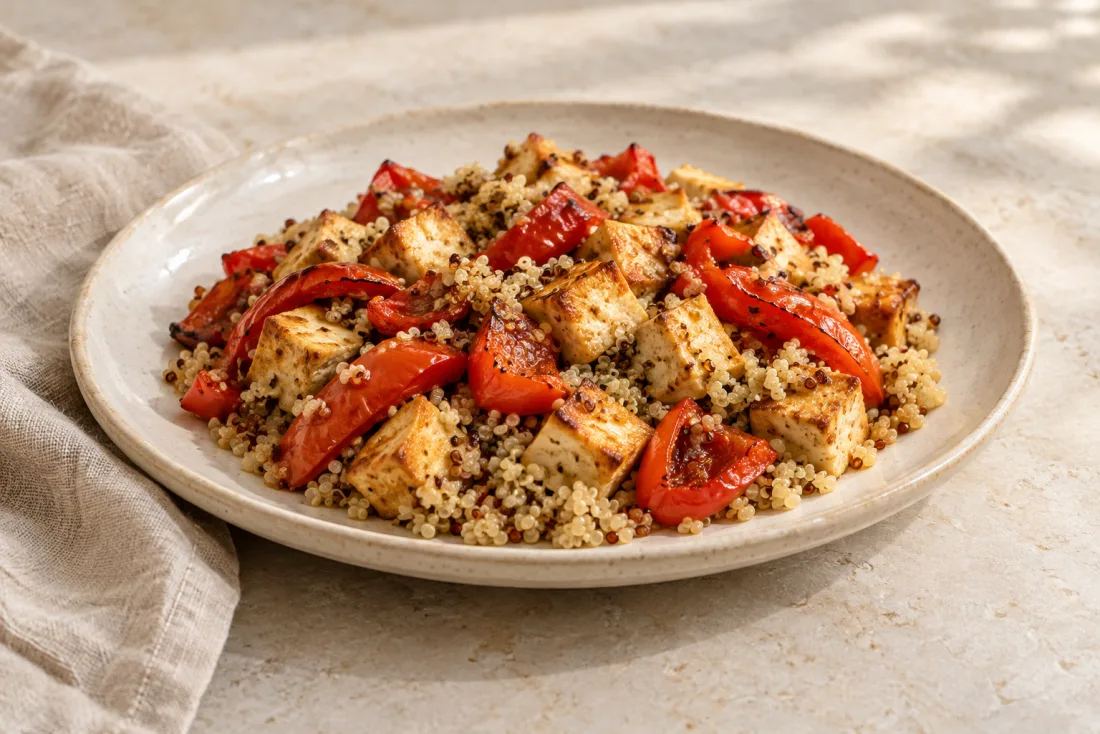
Image is a serving suggestion. Use the ingredient weights listed in the menu.

Tofu, quinoa & roasted peppers
Before you begin

Plant-only menus use legumes, tofu, grains, nuts and vegetables. These examples do not establish adequate vitamin B12, iodine, vitamin D or other micronutrient intake; discuss your individual needs with a qualified professional.

Contains: peanut, soy, tree nuts, wheat. The list reflects selected ingredients, not all possible product-label allergens or cross-contact.

Daily nutrition totals

Estimated energy from the ingredient weights below, including oil. A target is an organising label; the daily totals show what the menu actually contains.

Daily estimated energy and difference from target
DayEstimated kcalFrom target
Monday1,299-1
Tuesday1,306+6
Wednesday1,300+0
Thursday1,302+2
Friday1,302+2
Saturday1,301+1
Sunday1,302+2

Weekly average: ≈ 1,302 kcal per day.

Meal plan questions

How many calories does the 1300 Calorie Vegan Meal Plan provide?

ISE Nutrition 1300 Calorie Vegan Meal Plan has a target of 1,300 kcal and a calculated seven-day mean of approximately 1,302 kcal per day. The daily table shows actual totals and differences from the target. Rounding, product labels and preparation can change the estimate.

Who are the portions and grocery quantities for?

ISE Nutrition 1300 Calorie Vegan Meal Plan lists one adult's portions for seven days, including five meals per day. Its grocery list sums those 35 meals. Optional multi-serving batch instructions count only the one serving scheduled in the menu; cooking the entire batch requires extra ingredients.

What does vegan mean in this menu?

Vegan ingredients exclude animal foods. The menu does not establish adequate vitamin B12, iodine or other micronutrient intake. Check the named products and discuss individual needs with a qualified professional.

Are ingredient quantities raw, cooked or measured by volume?

Every ingredient states its unit and weighing condition. Grains, pasta and lentils are dry; beans and chickpeas are cooked and drained; egg weights exclude the shell. Follow each listed state rather than substituting a cooked weight for a raw or dry weight.

Can I replace an ingredient or change a portion?

ISE Nutrition 1300 Calorie Vegan Meal Plan is a fixed example, not a live nutrition calculator. After changing an ingredient or portion, recalculate meal and day totals, update grocery quantities, and check dietary restrictions and allergens. Equal weights are not equal-calorie or nutritionally equivalent substitutions.

Can I download or print the grocery list for free?

The ISE Nutrition 1300 Calorie Vegan Meal Plan page provides a CSV grocery download, a browser checklist and a Print the full menu button without payment or registration. Checklist selections stay in the current browser when storage is available; they do not sync between devices.

Is this menu a personalised or professionally reviewed diet?

ISE Nutrition 1300 Calorie Vegan Meal Plan does not calculate your personal calorie needs or assess medical suitability. No qualified professional nutrition review is documented for the ISE Nutrition catalogue. Ingredient calculations are estimates, not a certification of nutritional completeness.

Seven-day grocery list

Summed directly from all 35 meals, for one adult. These are edible weights or beverage volumes in the units shown: allow extra for peels, cores, shells or bones. Beans and chickpeas are shown cooked and drained; buy ready-cooked, or use your dry-bean packet's yield. Salt, herbs and water are separate.

Vegetables & fruit

Grains & starches

Legumes & plant proteins

Nuts, oils & pantry

Download shopping list

Ticks are saved in this browser when local storage is available.

Preparation and storage

  1. Check what you already have.

    Compare the shopping list with your fridge and pantry. Check labels against the eating style and your own restrictions.

  2. Prepare the next few meals.

    Cook a grain or legume batch for the next few days, keeping dry and cooked weights distinct. Do not store the entire cooked week in the fridge.

  3. Keep food safe.

    Refrigerate perishables promptly at 4°C / 40°F or below. Use refrigerated cooked leftovers within 3–4 days, or freeze portions for later. Follow product labels and safe cooking temperatures.

  4. Portion before you cook.

    Weigh or measure each ingredient in its stated unit and condition, including oil. Separate raw meat and fish from ready-to-eat foods; wash hands, utensils and surfaces.

Ingredient swaps and recalculation

Changing ingredients changes nutrition. These are culinary alternatives, not equal-calorie substitutions.

  • Swap tofu for cooked beans if soy is unsuitable; recalculate portions and protein.
  • Swap quinoa for rice, using the dry weight and nutrition of the new ingredient.
  • Use plain frozen vegetables in place of fresh where practical; check sauce-free ingredients and cooking instructions.
  • Nut and seed substitutions require an allergy check and a new calculation.

How this menu was calculated.

Selected US products

Use these exact varieties and recorded label formulations. Unlisted micronutrients remain unknown. Product labels are rounded and can change; a different label requires recalculation. The Monterey reference uses the manufacturer's June 2022 sheet and its current 10 µg vitamin D claim per 85 g serving.

References: USDA FoodData Central, SR Legacy (April 2018), plus the selected US manufacturer nutrition labels listed above. USDA foods use their per-100 g reference. The three selected US products use the manufacturer value per stated serving × listed quantity ÷ serving quantity, with mL and g kept distinct. Ingredient quantities use whole grams or millilitres as shown, each meal's energy to whole kcal and macros to 0.1 g; day totals sum the displayed meal values. Net carbohydrate subtracts fibre from total carbohydrate.

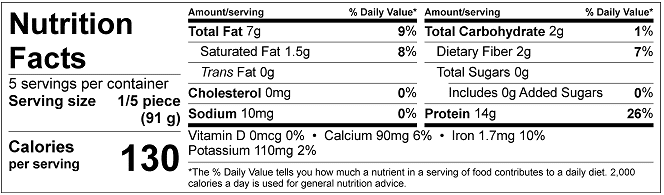
Nutrition is estimated from the ingredient quantities shown. This example does not assess your personal requirements or establish complete micronutrient adequacy. Product brands, cooking losses and optional additions may alter nutrition. Calories may differ from the 4/9/4 macro formula because database energy factors and fibre vary.

View ingredient records and calculation method · USDA safe cooking temperatures · USDA leftover storage guidance

Other eating styles at 1,300 calories

Compare menus at the same calorie target. Ingredients, restrictions and estimated daily totals differ.

Help with your weekly menu